With the holidays behind us, January often brings a collective pause. Fewer late nights, quieter calendars, and a natural moment to reset. For many Canadians, that reset includes Dry January, a month-long break from drinking that has grown from a small UK initiative into a global movement.
Whether you’re planning to go fully dry, take a damp January approach, or simply drink less than you did in December, the goal is the same. Pay attention to how your body feels, reassess your habits, and explore better options along the way.
This guide looks at what really happens when you take a break from alcohol, what experts say about the benefits, and which non-alcoholic drinks are actually worth pouring into your glass.
What Is Dry January, Really?
Dry January began in the UK in 2013 and has found its place worldwide. In Canada, similar initiatives have encouraged hundreds of thousands of people to take a break from alcohol each January, often as a way to support long-term health goals.
Dry January is a simple concept. No alcohol for the month of January. For some, that structure is helpful. For others, reducing intake rather than stopping completely feels more realistic. Both approaches can offer meaningful benefits.
Health experts agree on one thing. Less alcohol is better than more.
Can Dry January Actually Improve Your Health?
Alcohol affects nearly every system in the body. Taking a break from alcohol gives those systems time to recover, rebalance, and reset. The changes are not always immediate, but they are often noticeable by the end of the month.
Not everyone needs or wants an all-or-nothing approach. Health professionals increasingly encourage people to focus on reduction rather than perfection.
Scheduling alcohol-free days, setting weekly limits, or alternating with non-alcoholic drinks can still lower health risks. The key is awareness with understanding when, why, and how much you drink creates room for better choices.
Here is what you can expect when you cut back on your alcohol consumption:
Week 1. Your Body Starts Catching Up
In the first week, the liver gets a break from processing alcohol. Inflammation begins to drop, liver enzymes start to normalize, and sleep patterns may begin to shift. Some people may feel tired or off at first, but that is normal as the body adjusts.
Week 2. Digestion and Energy Improve
Alcohol can irritate the gut and interfere with digestion. By the second week, many people notice less bloating, better digestion, and steadier energy throughout the day. This is also when sleep quality often improves.
Week 3. Cravings and Mood Begin to Change
Regular drinking affects dopamine, the brain’s reward system. After a few weeks, cravings for alcohol and sugar often decrease. Mood feels more stable, energy levels are more consistent, and the crave for a drink to help you unwind starts to fade.
Week 4. Mental Clarity Feels Obvious
By the end of the month, many people report clearer thinking, better focus, improved skin, and a calmer baseline mood. Blood pressure may drop, and anxiety often feels more manageable. These changes help explain why many people continue drinking less even after January ends.
Non-Alcoholic Drinks Actually Worth Trying
One of the biggest challenges in January isn’t necessarily alcohol itself, but the habit around it.
Pouring a drink at the end of the day, holding a glass at a dinner party, or mixing something special on a Friday night. When those rituals disappear, you need something else to replace them, and this is where quality non-alcoholic drinks make a difference.
Not all non-alcoholic drinks are created equal. The best ones offer structure, balance, and flavour that feels intentional, not like a substitute.
Non-Alcoholic Wine
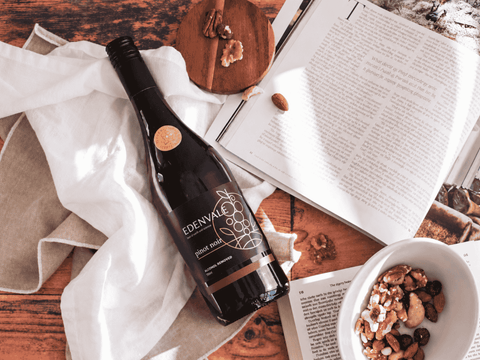
Look for options with acidity, texture, and dryness. Sparkling styles tend to shine in January, especially with food. A well-made non-alcoholic red can still offer depth for winter meals.
Our top non-alcoholic wines:
Non-Alcoholic Spirits
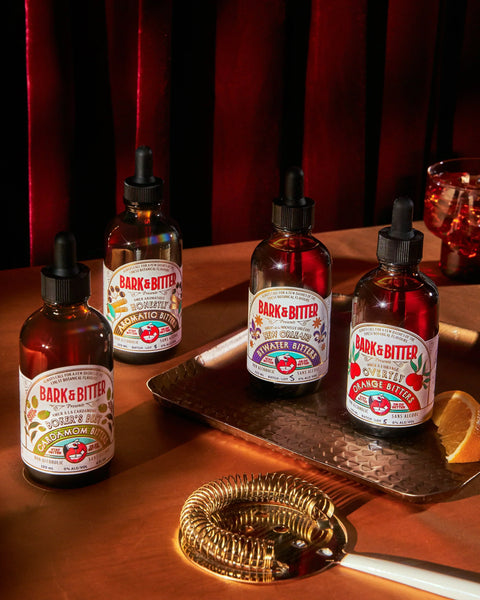
These are ideal for maintaining cocktail rituals. Botanical gins, bourbon-style alternatives, and aperitif-style spirits work well with simple builds like spritzes, old fashioneds, and sours.
Our favourite zero-proof spirits:
Ready-to-Drink Cocktails
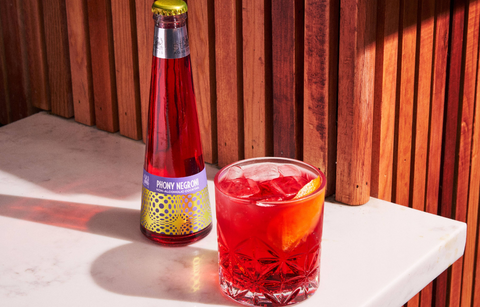
When energy is low in January, a ready-to-drink non-alcoholic cocktail is an easy win. Look for drinks with balance, not excessive sweetness.
Bar-worthy non-alcoholic cocktails:
Functional Drinks with Adaptogens & Nootropics
Functional drinks to give you a gentle, natural, lift. Crafted with ingredients like ashwagandha, l-theanine and lions mane mushroom.
Feel good drinks without alcohol:
Our Tips for Succeeding This January
-
Track how you feel, not just what you drink
-
Replace the your ritual, not just the drinks
-
Keep good non-alcoholic on hand at home
-
Share your plan with friends and family
-
Focus on progress, not perfection
Cheers,
Jon