Cooking with wine, beer, or spirits is a common way to add aroma and flavour to a variety of dishes. From pasta sauces to braised meats and desserts, alcohol is often added early and assumed to disappear with heat.
The truth is a bit more tricky. While heat may reduce alcohol content slightly, it rarely removes it completely, and in many dishes a surprising amount of alcohol can remain. Understanding what really happens to alcohol during cooking helps home cooks make informed choices, especially for those who want to completely abstain from alcohol.
What Happens to Alcohol When You Cook?
Alcohol begins to boil off and evaporate at a lower temperature than water, which is why it is often assumed to disappear quickly. However, once alcohol is added to a dish, it does not behave independently.
Alcohol bonds with water and fats in food, which slows evaporation significantly. Instead of boiling away on its own, alcohol becomes part of a complex mixture that releases vapours gradually over time.
According to food science research published in the Journal of the American Dietetic Association, cooking method and duration play a much larger role than temperature alone, and extended cooking does not guarantee full removal of alcohol.
How Much Alcohol Actually Remains in Cooked Food?
The amount of alcohol left in a dish depends on how it is cooked, not just how long. Below is a quick reference based on food science studies and culinary research.
These figures are averages and not exact measurements, but they highlight the important point that alcohol does not fully cook out in most recipes, even those simmered for hours.
| Cooking Method | Approximate Amount Alcohol Remaining |
|---|---|
| Added to a hot dish and removed from heat | 85% |
| Flambéed | 75% |
| Simmered or baked for 15 minutes | 40% |
| Cooked for 30 minutes | 35% |
| Cooked for 1 hour | 25% |
| Cooked for 2 hours | 10% |
| Cooked for 2.5 hours or more | 5% |
Why This Matters for Home Cooks
For most people, small amounts of alcohol in food may not be a concern, but for others it is still a meaningful amount. The challenge is that recipes rarely disclose how much alcohol remains, and are often described as safe or alcohol-free once cooked.
Knowing the facts allows cooks to decide what works for their own kitchens, rather than relying on assumptions. The alcohol itself is not essential, and it's functions can be replaced with the right ingredients, the right recipes, and a variety of non-alcoholic alternatives.
Using Non-Alcoholic Wine in Cooking
Non-alcoholic wine can replace traditional wine in sauces, braises, and reductions. Dry styles work well for savoury dishes, offering acidity and fruit character without overpowering a recipe. Fuller reds can add depth to slow-cooked meals, much like their traditional counterparts.
Try these instead:
Using Non-Alcoholic Beer in Recipes
Non-alcoholic beer performs exceptionally well in batters, marinades, and stews. Malt-forward styles add body and savoury notes, while hop-forward beers contribute bitterness and aroma. In many cases, the cooking behaviour is nearly identical to traditional beer.
Try these instead:
Using Non-Alcoholic Spirits
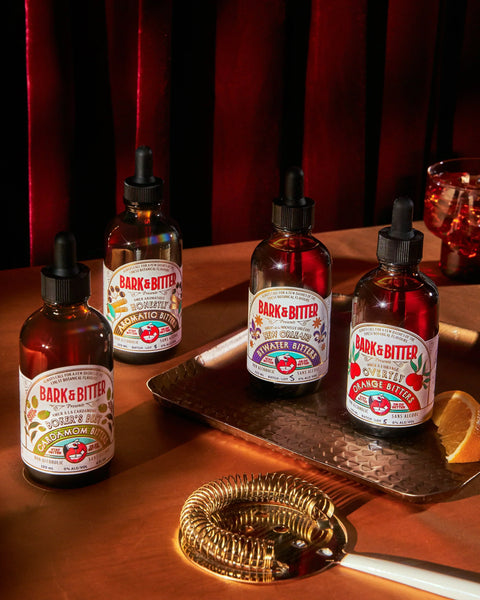
Non-alcoholic spirits are best used where aroma matters more than volume. Small amounts can be added to sauces, desserts, or syrups to introduce spice, citrus, or herbal notes. Because these products are concentrated, restraint is key.
Compared to substitutions like juice or vinegar alone, these options often provide better balance and complexity.
Try these instead:
So Does Alcohol Ever Fully Cook Out?
In practical home cooking, alcohol is rarely reduced to zero. Only very long cooking times combined with significant evaporation will approach complete removal, and even then, trace amounts can still remain.
The idea that alcohol always cooks out is a myth. A more accurate statement is that alcohol content decreases, sometimes substantially, but not completely.
For home cooks, the good news is that alcohol is not required to build flavour. With thoughtful substitutions and a clear understanding of how recipes work, it is entirely possible to cook with depth, balance, and intention.
Happy cooking!
Cheers,
Jon